


Head of the Scientific School
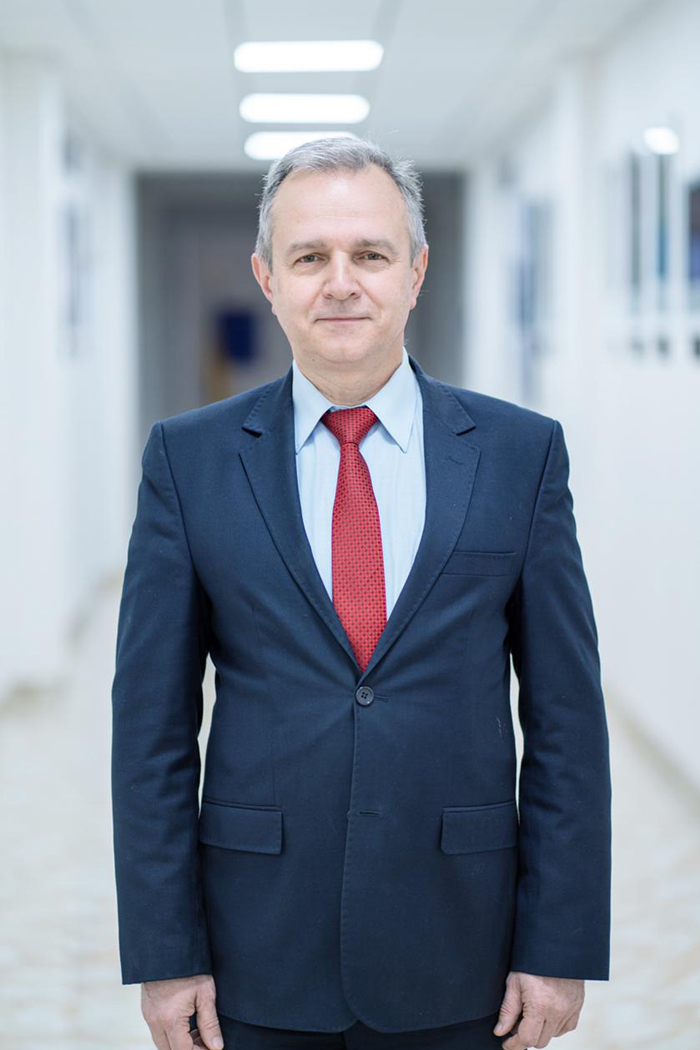 |
Ivan Savytskyi MD, Professor, MD, Professor at the Department of Fundamental, Medical and Preventive Disciplines of International European University; member of the editorial board of two Scopus indexed Polish journals: Disaster and Emergency in Medicine Journal and Cardiological Journal; member of the Specialized Council at the Filatov Institute of Eye Diseases and Tissue Therapy; member of the Academic Council of the Ukrainian Research Institute of Medicine and Transplantology of the Ministry of Health of Ukraine, International European University and Odesa National Medical University. Ivan Savytskyi is one of the leaders in experimental and clinical pathological physiology and the founder of vascular pathophysiology. He suggested a method for correcting nitric oxide deficiency and formed the basis for the pathogenesis of such diabetes complications as diabetic nephropathy and retinopathy. Ivan Savytskyi is the author of more than 380 scientific works, including 3 English-language textbooks on pathological physiology, 6 monographs, 16 publications in journals indexed in Scopus and Web of Science. |
Composition of the Scientific School
6 PhD theses were defended under the supervision of Professor Ivan Savytskyi. 2 doctoral and 4 PhD theses are being prepared for defense.
Research areas
The Scientific School of Vascular Pathophysiology. Endothelial Dysfunction is aimed at finding out:
Ivan Savytskyi and his students discovered the relationship between changes in the nitric oxide pool and the imbalance between the pro- and anti-coagulant system, and as a result, the development of pathological conditions such as arterial hypertension, cardiovascular failure, experimental hemic hypoxia, homeostasis disorders, and the connection of NO synthase activity with acute and chronic inflammation and oncogenes. Under his supervision, they studied and proved the effect of nitric oxide derivatives on the reproductive system of rats, post-radiation dysfermentoses and potential methods of their correction.